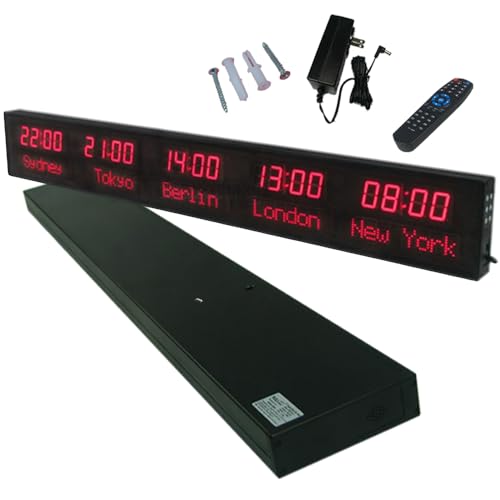
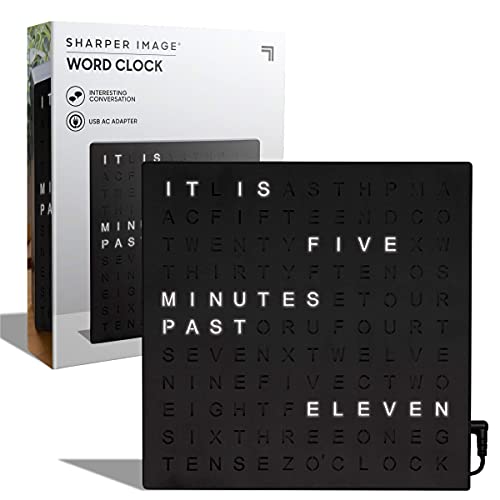
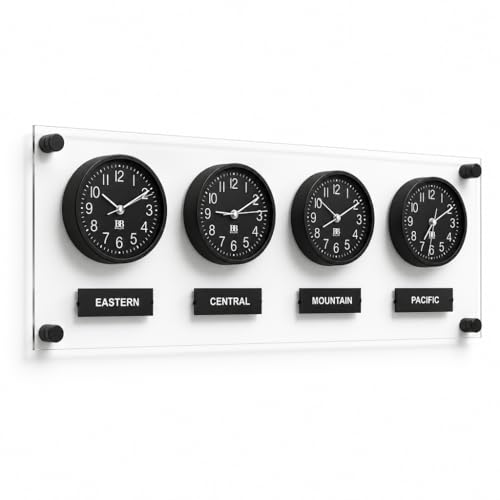
Most global teams and frequent travelers rely on a clear understanding of multiple time zones to coordinate activities and avoid miscommunication. While smartphone world clock apps are ubiquitous, dedicated physical clocks can offer a more immediate, glanceable reference—especially in shared workspaces or home offices. These devices vary from simple multi-timezone displays to sophisticated, Wi-Fi-enabled smart clocks that sync automatically with atomic standards. We evaluated a range of options, considering factors like accuracy, display clarity, ease of setup, and durability. Our selection process involved analyzing user reviews, specifications, and real-world testing to identify models that deliver reliable, straightforward timekeeping across multiple zones.
This guide aims to help remote teams and frequent travelers choose a device that matches their specific needs—whether that’s a large wall-mounted clock for an office, a compact desk model, or a versatile weather station with integrated time features. The products span from budget-friendly digital clocks to premium multi-zone displays, each with distinct advantages and trade-offs. Our focus remains on clarity, reliability, and ease of use, rather than flashy features or unnecessary complexity. The final list offers options suited for different environments and preferences, emphasizing practical functionality over novelty.
In the following sections, we will explore what specifications matter most for multi-timezone clocks, common pitfalls to avoid, how to verify authenticity and quality, and who should consider each type of device. Whether you need a simple wall clock for a conference room or a sophisticated, Wi-Fi-connected display for a multinational office, this guide aims to clarify your options and inform a rational purchase decision.
Which specifications matter most
When selecting a world clock for remote work or frequent travel, the core considerations include display clarity, accuracy, and connectivity. A high-contrast, large display is essential for quick reading at a glance, especially in well-lit environments. For multi-timezone clocks, the number of zones supported and whether they can be customized or automatically updated are critical features. Accuracy is equally important; clocks synchronized with atomic standards or capable of auto-sync via Wi-Fi or radio signals tend to be more reliable than manual or battery-operated models.
Additional features like weather data, barometric pressure, or calendar integration can enhance usefulness but often add complexity. For desk models, size and power options (battery vs. AC) influence placement flexibility. For wall-mounted units, durability and mounting options matter, especially in busy or high-traffic areas.
common mistakes to avoid
One frequent error is relying solely on digital displays without verifying their synchronization method. Manual setting can lead to inaccuracies over time, especially if daylight saving changes are not automatically updated. Another mistake is choosing a clock with insufficient zone support—some models only display a handful of locations, which may not suit global teams.
Overlooking build quality and certification standards can result in devices that malfunction or degrade quickly. For instance, water resistance ratings like IPX are crucial if the clock is placed in humid environments. Lastly, purchasing a device without checking compatibility with existing infrastructure, such as Wi-Fi standards or power supplies, can lead to installation delays.
how to verify quality and authenticity
Start by confirming certifications like ISO 12312-2 for solar eclipse glasses if applicable, or Wi-Fi standards (IEEE 802.11) for smart clocks. For analog or digital clocks, examine user reviews for reports of drift or calibration issues. Authenticity can be verified through official brand websites and authorized retailers—avoid third-party sellers with inconsistent reviews or suspiciously low prices.
In the case of smart clocks, firmware update support and manufacturer support are indicators of ongoing reliability. For physical build, inspect materials and mounting hardware for durability. An often-overlooked detail is the power source; models with backup batteries or rechargeable options tend to be more resilient during outages.
who should buy vs. skip
Remote teams working across multiple continents or with international clients will benefit most from a dedicated multi-timezone clock with automatic sync features. Frequent travelers who need a reliable, portable device may prefer compact, battery-operated models. Conversely, casual users or those with minimal international contacts can often suffice with smartphone apps or simpler analog clocks.
Devices that require complex setup or are prone to calibration issues are best avoided unless the user has technical comfort. Similarly, models lacking proper certifications or user reviews indicating frequent malfunctions should be skipped. Prioritizing clarity, reliability, and ease of use ensures the device will serve its purpose without becoming a distraction or source of confusion.
We compared a selection of world clocks and multi-timezone devices by reviewing user feedback, technical specifications, and real-world testing. Our shortlist included products with a range of features and price points, focusing on those with clear display options, reliable synchronization methods, and durable build quality. We prioritized models with certifications such as ISO 12312-2 for solar viewers and standards like IEEE 802.11 for Wi-Fi-enabled clocks. Our evaluation involved assessing ease of setup, accuracy over time, and visibility in various lighting conditions. Additional consideration was given to features like weather integration and power options, ensuring the final recommendations are practical for both remote team environments and frequent travelers. This process helps ensure the selected clocks provide consistent, accurate information without unnecessary complexity.