Day of Ashura (10th Muharram)
Signification, histoire et dates observées
Récit historique
Signification spirituelle
For Sunni Muslims, it is primarily a day of 'Shukr' (Gratitude) for the victory of Musa (AS). For Shia Muslims, it is a day of 'Huzn' (Mourning) and reflection on the courage of the Ahl al-Bayt. Both perspectives converge on the theme of resisting injustice (Zulm).
Leçons pour le croyant
- Liberation comes through faith: The miracle of Musa (AS) teaches that Allah's help arrives when we reach our limits.
- Standing against injustice: Imam Hussain's (RA) sacrifice is a timeless call to uphold truth over comfort.
- Gratitude through fasting: The Prophet (PBUH) fasted as an act of Shukr—remembering blessings through disciplined restraint.
"When the Prophet (PBUH) reached Medina, he found the Jews fasting and said: 'I am closer to Musa than they,' and he fasted and commanded others to fast. (Sahih Bukhari). He also said that fasting on Ashura 'expiates the sins of the previous year.' (Sahih Muslim)."
Coutumes et traditions communes
Fasting (the 9th and 10th or 10th and 11th), providing a generous meal for one's family (based on the narration: 'Whoever is generous to his family on Ashura, Allah will be generous to him for the rest of the year'), and attending lectures on the lessons of Karbala.
Quand a lieu Day of Ashura (10th Muharram) en 2026 ?
*Les dates sont sujettes aux observations locales de la lune.
Dates à venir pour Day of Ashura (10th Muharram)
Questions fréquentes sur Day of Ashura (10th Muharram)
Qu'est-ce que le jour de l'Achoura ?
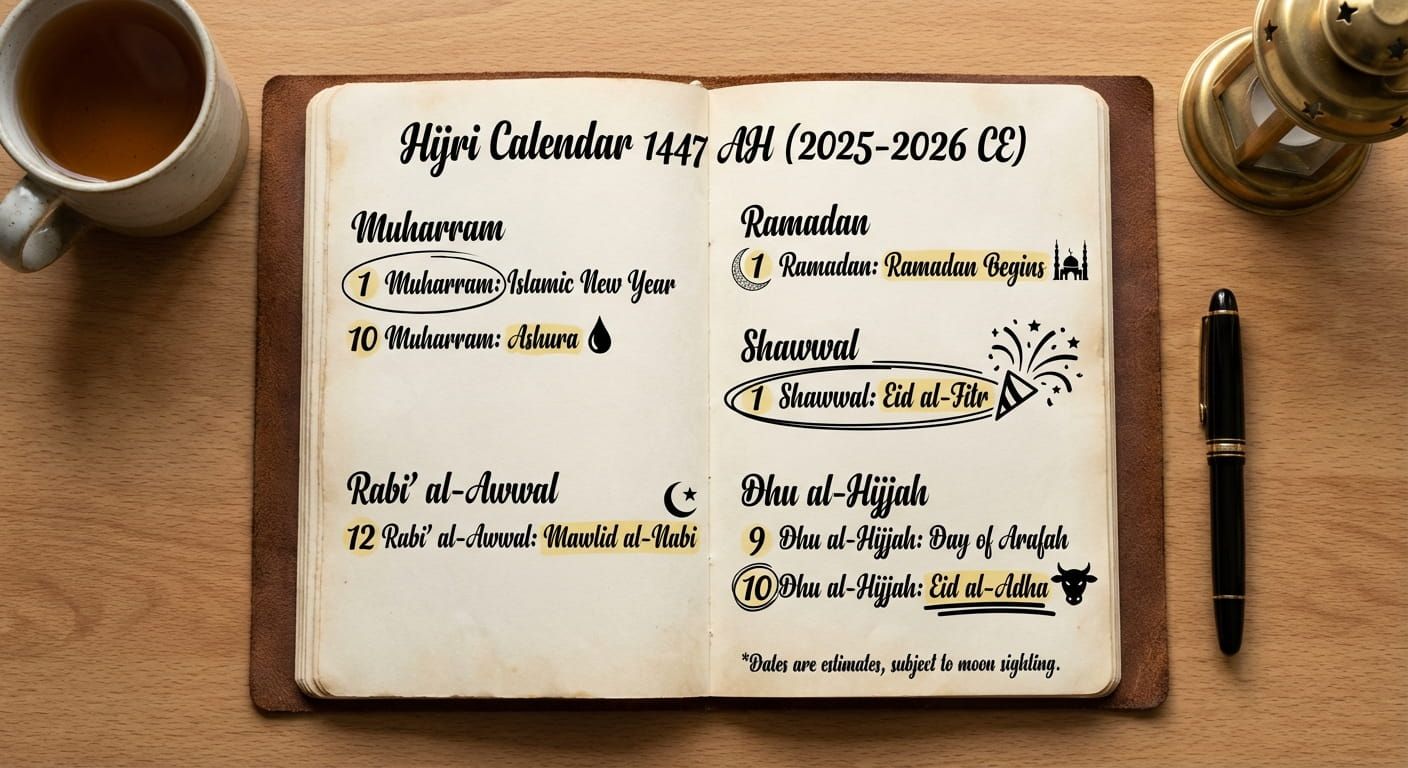
Achoura, signifiant 'dixième' en arabe, est le 10e jour de Muharram, le premier mois du calendrier islamique. C'est un jour d'un poids historique profond, célébré comme un jour de libération et commémoré comme un jour d'immense sacrifice.
Quelle est la signification de l'Achoura ?
L'Achoura marque le jour où Allah a sauvé le Prophète Moussa (AS) et les Enfants d'Israël de Pharaon, un miracle de libération par la foi. Il commémore également le sacrifice de l'Imam Hussain (RA) à Karbala, un appel intemporel à se tenir contre l'injustice et à défendre la vérité plutôt que le confort.
Comment l'Achoura est-elle observée ?
Les observances incluent le jeûne les 9e et 10e ou 10e et 11e de Muharram, offrir un repas généreux à sa famille selon la narration 'Celui qui est généreux envers sa famille le jour de l'Achoura, Allah sera généreux envers lui pour le reste de l'année', et assister à des conférences sur les leçons de Karbala.
Quelles sont les leçons spirituelles de l'Achoura ?
L'Achoura enseigne que la libération vient par la foi, comme le miracle de Moussa (AS) montre que l'aide d'Allah arrive lorsque nous atteignons nos limites. Elle nous appelle également à nous tenir contre l'injustice, inspirés par le sacrifice de l'Imam Hussain (RA), et à pratiquer la gratitude par le jeûne, car le Prophète (PSL) jeûnait comme un acte de Shukr.
Pourquoi la date grégorienne de l'Achoura change-t-elle chaque année ?
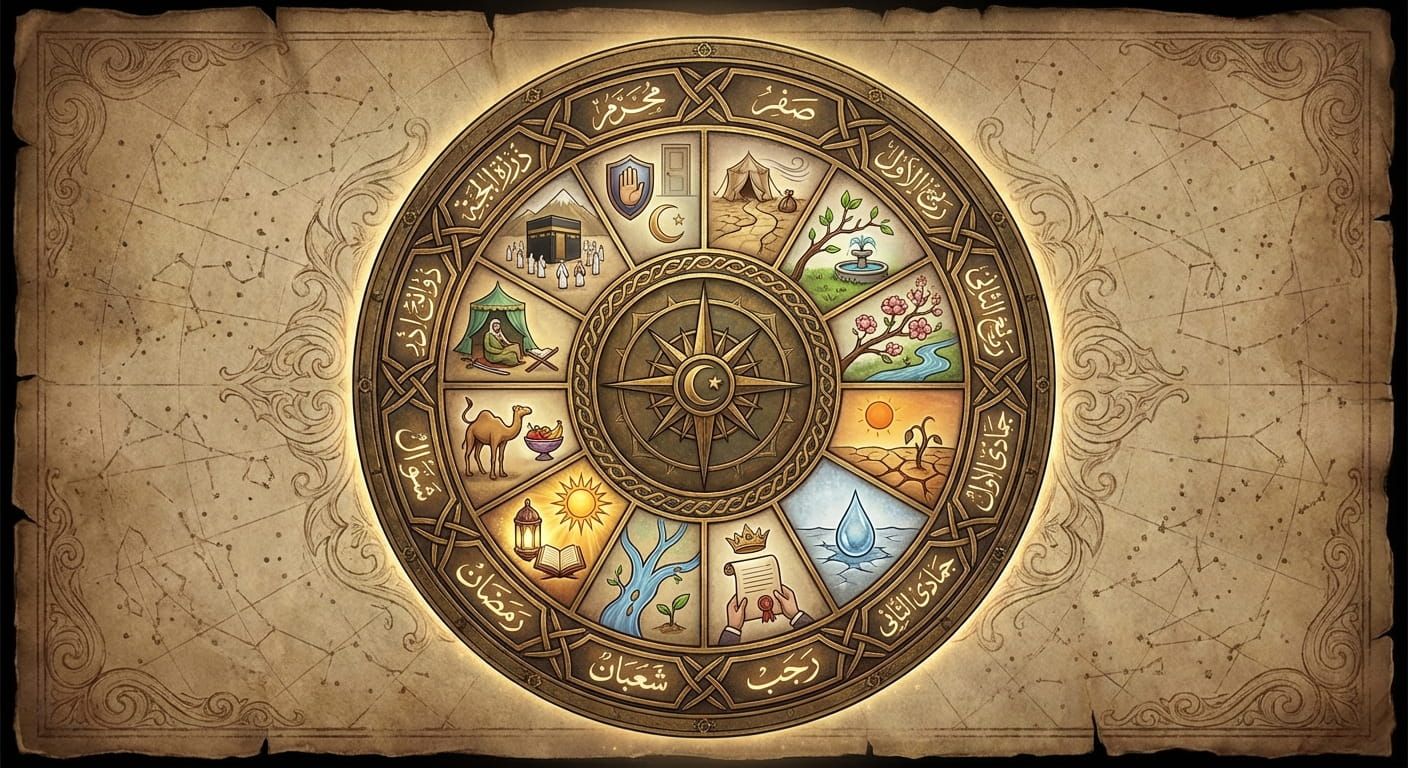
Le calendrier islamique est lunaire, donc la date grégorienne de l'Achoura avance d'environ 10 à 11 jours chaque année.